

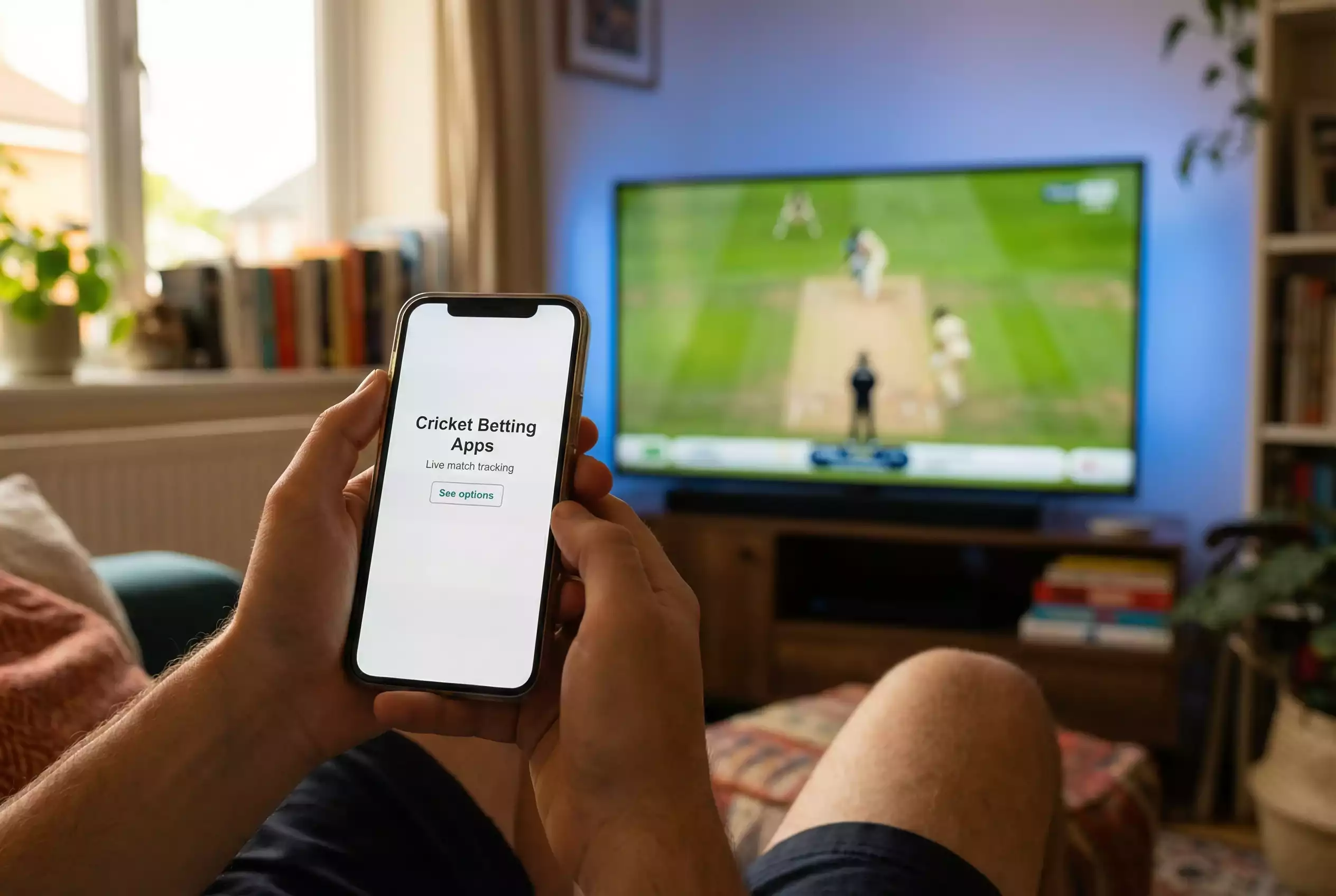
The platform you bet on matters more than most bettors think. Two people can have identical analytical skills, identical bankrolls, and identical strategies — but if one is using a fast, well-designed app with competitive odds and the other is using a sluggish platform with wide margins and delayed odds updates, the first bettor will outperform the second over time. The platform is not just a delivery mechanism for your bets. It is an environment that either supports or undermines your decision-making, and choosing the right one is a strategic decision, not a cosmetic one.
Cricket live betting places specific demands on a platform that other sports do not. The ball-by-ball nature of cricket means odds update every few seconds during play. The multi-format structure means you might be betting on a T20 match one evening and a Test match the next morning, each requiring different market layouts and different analytical tools. The global nature of cricket means you need a platform that covers IPL matches at Indian time, BBL matches at Australian time, and county cricket at English time. Not every app handles all of these demands well.
This guide identifies the features that matter most in a cricket betting app, explains why each feature affects your profitability, and provides a framework for evaluating platforms before you deposit a single unit.
See also the best cricket betting sites.
Odds Speed and Accuracy: The Non-Negotiable Feature
In live cricket betting, the speed at which odds update is the most important technical feature a platform can offer. When a wicket falls, the odds should adjust within seconds. When a boundary is hit, the live totals market should recalibrate immediately. Any delay between the event and the odds update creates a window where you are betting on stale information — or, more commonly, where the platform suspends betting entirely and you miss the opportunity.
The best cricket betting apps update odds in near real time, using automated models that process ball-by-ball data feeds. These platforms rarely suspend markets during normal play, keeping the odds available for as long as possible and allowing you to act on your analysis while it is still relevant. Less sophisticated platforms suspend markets after every significant event — every wicket, every boundary, sometimes even every over — which fragments the live betting experience and makes it nearly impossible to exploit value windows.
To test a platform’s odds speed, watch a live match alongside the app and note how quickly the odds change after each delivery. If there is a visible lag of more than two or three seconds, the platform is slower than the best alternatives. If markets are suspended for thirty seconds or more after a wicket, the platform is unsuitable for serious in-play betting. This is not a cosmetic issue — it directly affects your ability to capture value.
Odds accuracy is the companion concern. A fast platform that updates to inaccurate odds is no better than a slow one. Accurate odds reflect the true probability shift caused by each event, without overreacting or underreacting. The way to assess accuracy is to compare the platform’s live odds with a betting exchange or a known sharp bookmaker. If the platform’s odds consistently diverge from the exchange price by more than the expected margin, the pricing model is suspect, and you are likely paying more than you should.
Market Depth: Coverage That Matches Cricket’s Complexity
A quality cricket betting app should offer the full range of markets across all three formats. The minimum expectation is: match winner, innings totals (over/under), top batsman, top bowler, next wicket, method of dismissal, boundaries, session markets for Tests, and player props. If a platform offers only match winner and totals, it is too limited for a serious cricket bettor.
Market depth matters because different matches call for different markets. A Test match on a flat pitch might offer no value in the match winner market but clear value in the draw or session runs markets. A T20 match at a small ground might have a mispriced boundaries market but a perfectly priced match winner line. If your platform does not offer the market where the value is, you cannot bet on it — and the edge goes uncaptured.
Format coverage is equally important. The best cricket betting apps cover international cricket across all three formats, plus the major domestic T20 leagues — IPL, BBL, SA20, PSL, CPL, and The Hundred. They also cover women’s cricket, which has grown rapidly in betting markets and often features less efficient pricing due to lower liquidity. A platform that covers men’s T20 leagues but ignores Test cricket or women’s internationals is limiting your opportunity set.
Live markets should extend beyond the match winner. In-play top batsman, live next wicket, live over/under for the current innings, and live boundaries markets should all be available and actively updated during play. Some platforms list these markets pre-match but do not maintain them during live play, which defeats the purpose. Check that live markets are genuinely live — not just pre-match odds frozen during the match.
Live Streaming Integration: Watch and Bet in One Place
The ability to watch a live cricket match directly within the betting app — rather than switching between a streaming service and the betting platform — is a significant practical advantage. Live streaming integration means you can observe the match and access the markets on the same screen, which reduces the friction between observation and action.
When a bowler beats the bat three times in an over, you want to act on the next wicket market immediately. If you are watching on one device and betting on another, the delay between observing the event and navigating to the market on the betting app can be five to ten seconds — long enough for the odds to move. With integrated streaming, the match is playing above or beside the market, and the action is a single tap away.
The quality of the stream matters. A low-resolution, delayed stream is worse than no stream at all, because it shows you events after they have happened — and after the odds have already moved. The best platforms offer streams that are close to real time, with minimal lag relative to the ball-by-ball data feed. If the stream is running three or four seconds behind the data feed, you will see odds move before the event that caused the movement, which is disorienting and leads to poor decisions. Test the stream delay by comparing the live action on screen with the ball-by-ball commentary on a separate source. If the stream is more than two seconds behind, factor this into your in-play betting decisions.
Not all platforms offer streaming for all cricket matches. Some cover only major international events and franchise leagues, while others extend to domestic cricket. If you intend to bet on lower-tier competitions — county cricket, domestic one-day cups, emerging league tournaments — verify that the platform streams those matches before committing to it as your primary app.
Cash-Out Features: Speed and Flexibility
Cash out is a core feature for live cricket bettors, and the quality of its implementation varies significantly across platforms. The key attributes to evaluate are: speed of the cash-out execution, availability of partial cash out, and the size of the margin embedded in the cash-out price.
Speed is critical because cricket odds move with every ball. If you decide to cash out during a live match and the platform takes five seconds to process the request, the odds may have changed in the interim. Some platforms honour the cash-out price at the moment you clicked the button, even if the odds have moved. Others requote at the new price, which can result in a lower payout. A platform that guarantees the displayed cash-out price at the time of the request is preferable.
Partial cash out — the ability to settle a fraction of your bet while keeping the rest active — is available on most major platforms but not all. For cricket bettors who use cash out as a risk-management tool rather than an all-or-nothing exit, partial cash out is essential. Check that the platform supports it and that the partial cash-out option is accessible within the bet slip without excessive navigation.
The cash-out margin — the difference between the fair value of your bet and the cash-out offer — is the cost you pay for the convenience of early settlement. This margin varies between platforms, typically ranging from 3% to 8%. Over a season of frequent cash-out usage, the difference between a 3% margin and an 8% margin is substantial. Comparing cash-out offers across platforms for the same bet can reveal which platform is taking less of a cut.
User Interface and Bet Placement Speed
The design of the app’s interface affects how quickly and accurately you can place bets during live play. In a T20 death over, you might have six seconds between deliveries to assess the situation, navigate to the market, enter your stake, and confirm the bet. An app with a cluttered interface, buried market menus, or a slow bet slip adds friction that costs you time and, ultimately, money.
The features that matter most for speed are: a persistent bet slip that does not require multiple taps to open, pre-set stake buttons that allow you to enter common amounts with a single tap, one-tap bet placement for markets you have already added to the slip, and a clean layout that groups cricket markets logically rather than alphabetically or by popularity.
Some platforms offer a “quick bet” mode that allows you to place a bet with a single tap at the displayed odds, bypassing the bet slip entirely. For live cricket betting, this feature is extremely valuable — it reduces the time from decision to execution to under a second. If your preferred platform offers quick bet, learn to use it. If it does not, practise the fastest possible workflow for placing bets through the standard bet slip so that you minimise the delay.
The Platform Is Part of the Strategy
Choosing a cricket betting app is not a one-time decision you make when you start betting and never revisit. Platforms change — they improve their odds feeds, add markets, introduce streaming, or degrade their interface in a redesign. The bettor who evaluates their platform annually, compares it against alternatives, and switches when a better option is available is making a strategic choice that compounds over time. The platform does not create your edge, but a poor platform can blunt it. A great one lets it cut as sharply as your analysis allows.
