


Cricket offers more in-play betting markets than virtually any other sport, and this abundance creates both opportunity and confusion for those entering the live wagering arena. Unlike football or basketball where match outcomes dominate the betting landscape, cricket’s structure allows bookmakers to offer dozens of simultaneous markets covering every conceivable aspect of the game. From predicting the next ball’s outcome to wagering on session totals spanning multiple hours, the variety caters to different betting styles, risk tolerances, and cricket knowledge levels.
Understanding these markets thoroughly transforms how you approach live cricket betting. Each market operates on different principles, responds to match events in distinct ways, and offers value under specific circumstances. A bettor who knows only the match winner market misses opportunities that more specialized knowledge would reveal. Conversely, spreading attention across too many markets without understanding their mechanics leads to confused decisions and unnecessary losses. The goal is selective expertise: knowing which markets suit your knowledge and betting style, then exploiting them consistently while ignoring the noise.
This guide examines every major in-play cricket betting market available in 2026, explaining how each works, when it offers value, and what factors drive price movements. Whether you prefer the extended decision windows of match result markets or the rapid-fire action of ball-by-ball wagering, you will find detailed information to sharpen your approach. The markets are organized logically from broader outcomes to specific propositions, allowing you to build understanding progressively or jump directly to sections relevant to your interests.
See also betting markets for beginners.
Overview of Live Cricket Betting Markets

The distinction between pre-match and in-play markets fundamentally changes how odds are set and how value emerges. Pre-match odds reflect aggregated predictions about future events, incorporating historical data, expert analysis, and market sentiment days or weeks before the first ball is bowled. Once play begins, these theoretical assessments meet reality, and odds must adjust to reflect actual developments. This adjustment process creates inefficiencies that informed bettors can exploit.
Bookmakers set live lines using sophisticated algorithms that process scoring data, wicket information, and historical patterns to generate real-time probability estimates. These algorithms excel at incorporating quantifiable factors but struggle with subjective elements like player body language, pitch behavior visible only through careful observation, and tactical decisions that signal captain confidence or concern. Human traders monitor major matches and intervene when algorithms appear to misprice situations, but the volume of live markets across multiple simultaneous matches means many lines reflect purely automated assessments. This automated pricing creates opportunities for bettors who combine data awareness with observational skills.
Market availability varies significantly by format, with T20 matches typically offering the widest range of in-play options while Test cricket provides unique markets that other formats cannot replicate. T20 games generate intense action across forty overs, making ball-by-ball and over-by-over markets viable throughout. ODIs offer extended betting windows with more time for analysis between decisions. Tests spread across five days, enabling session markets, daily totals, and multi-day position betting that simply does not exist in shorter formats. Understanding which markets each format supports helps bettors focus their preparation on relevant opportunities rather than searching for options that do not exist.
The liquidity of in-play markets determines how easily you can bet at displayed prices and how significantly your bets might move the market. High-profile matches between popular teams attract substantial betting volume, creating liquid markets where prices accurately reflect collective opinion and large bets execute without slippage. Lesser matches between unfamiliar teams may offer markets with wide spreads and limited depth, where attempting to bet meaningful amounts either moves prices against you or proves impossible. Assessing liquidity before committing to live betting strategies prevents disappointment when theoretical opportunities cannot be captured practically.
Match Result Markets Live

The match winner market remains the most heavily traded live betting option across all cricket formats, offering straightforward wagering on which team will win the current match. Odds adjust continuously based on runs scored, wickets fallen, overs remaining, and algorithmic assessments of winning probability from the current position. The simplicity of this market makes it accessible to casual bettors while still offering depth for serious analysts.
Match winner adjustments follow predictable patterns that experienced bettors learn to anticipate. When a batting team loses wickets, their odds lengthen because their scoring potential decreases. When they build partnerships and accumulate runs, odds shorten as victory appears more likely. These adjustments often overreact to recent events because algorithms weight immediate developments heavily. A team that loses two quick wickets might see their odds drift dramatically, even though their remaining batting depth could easily compensate. Learning to recognize overreactions and backing teams at inflated prices after temporary setbacks forms a core live betting strategy.
Draw no bet markets exist primarily in Test cricket, where draws remain genuine possibilities across the five-day duration. This market removes the draw from consideration, returning stakes if neither team wins while paying out normally on decisive results. Draw no bet proves particularly valuable when you have strong views about which team is more likely to win without confidence in either team’s ability to force victory. If you believe Team A will win if anyone does but consider a draw equally probable, draw no bet on Team A offers better value than the standard match winner market where draw probability dilutes your edge.
Double chance live markets allow backing two of three possible outcomes simultaneously, sacrificing potential returns for increased probability of success. In Test cricket, this means backing one team plus the draw, or both teams to exclude the draw. In limited-overs formats where ties remain possible but rare, double chance typically covers win plus tie for one side. These markets offer lower odds than single-outcome bets but provide opportunities when you want to bet against a particular result rather than for a specific outcome. If conditions strongly favor draws and you believe a specific team cannot lose, backing that team plus draw through double chance captures your assessment efficiently.
Wicket-Based Markets
Cricket’s fundamental contest between bat and ball makes wicket-based markets among the most engaging and potentially profitable in-play options. These markets focus on how and when dismissals occur, offering betting opportunities that reward specific cricket knowledge over general sports betting experience.
Next wicket to fall markets allow wagering on which batsman currently at the crease will be dismissed next. Odds adjust based on each batsman’s scoring, the bowlers operating, match situation, and historical vulnerability patterns. This market rewards knowledge of player styles and matchup dynamics. A batsman struggling against spin faces increased dismissal probability when spinners operate, while one uncomfortable against pace becomes vulnerable when quicks return. Reading these situational factors allows bettors to identify value when odds have not fully incorporated the current bowling and batting combination.
Method of dismissal markets add another dimension by specifying how the next wicket will fall. The main methods include caught, bowled, leg before wicket, run out, and stumped, with caught often subdivided into caught behind, caught in the slips, and caught in the outfield. Different conditions and bowling types produce distinct dismissal patterns. Seaming conditions favor caught behind and slip catches. Turning pitches increase LBW and bat-pad catches. Fast, bouncy surfaces generate catches in the deep and edges through to the keeper. Assessing which dismissal methods current conditions favor, then comparing that assessment to market odds, reveals value opportunities that generalist bettors miss.
Fall of next wicket timing markets predict when a wicket will fall, typically expressed as over ranges or run totals when the dismissal occurs. These markets combine wicket probability with scoring rate expectations. If you believe a wicket is imminent but runs will flow quickly before it falls, backing higher run totals for the wicket provides value. Conversely, if conditions suggest wickets will fall frequently with minimal runs between dismissals, lower totals offer better prices. This market requires balancing multiple assessments simultaneously, making it suitable for experienced cricket bettors who can process compound probabilities effectively.
Wickets in over or session markets zoom out from individual dismissals to aggregate predictions about wicket frequency. In T20 formats, you might bet on whether a wicket falls in the next over. In Tests, session wicket totals allow wagering on broader periods. These markets smooth variance compared to single-wicket predictions, since you are betting on general patterns rather than specific events. When conditions heavily favor bowlers or batsmen have demonstrated particular vulnerability, aggregate wicket markets allow you to express that view without needing to predict exact timing.
Run-Based Markets

Scoring forms cricket’s fundamental measure of batting success, and run-based markets allow wagering on this central element across various timeframes and contexts. These markets range from immediate next-over totals to full innings projections, catering to different betting preferences and risk tolerances.
Runs in next over markets offer rapid-fire betting on immediate scoring outcomes. Bookmakers set lines based on recent scoring patterns, the bowler operating, batsmen at the crease, and phase of the innings. These markets move quickly, typically closing before each over begins and settling moments later. The compressed timeframe rewards bettors who can process information rapidly and identify value faster than markets adjust. When a power-hitting batsman faces a bowler they have historically dominated, the over runs line may not fully reflect the likely carnage. Similarly, when a disciplined bowler operates against struggling batsmen, unders might offer value that rushing odds have not captured.
Innings total runs markets provide longer-term positions on eventual scoring when an innings concludes. Odds adjust throughout the innings based on current score, wickets fallen, overs remaining, and projected final total. Early in an innings, these markets offer relatively stable pricing that shifts gradually with developments. As the innings progresses and the final total crystallizes, markets narrow and opportunities diminish. The value in innings totals typically emerges when early developments suggest a trajectory different from pre-innings expectations. If the pitch plays easier than anticipated or batting conditions have improved, unders lines set based on conservative expectations offer poor value while overs attract smart money.
Partnership runs markets focus on the current batting pair, predicting how many runs they will score together before one is dismissed. These markets require assessing both batsmen simultaneously, considering their individual scoring ability and their compatibility as partners. Some batting combinations complement each other naturally, building long partnerships that exceed individual expectations. Others struggle to rotate strike or maintain momentum together. When you recognize a partnership that the market has undervalued, backing higher partnership totals captures that insight. Conversely, combinations that historically struggle together offer value on unders regardless of individual talent.
Player runs live markets allow backing or laying individual batsmen to reach specific scoring thresholds during their innings. Common lines include over or under 20.5 runs, 30.5 runs, and milestone markers like 50 and 100. These markets adjust based on the batsman’s current score, their established scoring rate, and remaining opportunity to continue batting. When a batsman has reached 35 runs and appears set against tired bowling, the line for them reaching 50 may not fully price their probability of continuing. Identifying these situations where current form exceeds market expectations creates consistent value opportunities.
Player Performance Markets

Individual performances drive cricket outcomes, and player-specific markets allow bettors to express views about how particular cricketers will contribute. These markets isolate individual elements from team performance, potentially offering cleaner edges when you have strong opinions about specific players.
Top batsman live markets continue through the innings, adjusting odds as players score and get dismissed. The bettor who initially backed the opener must watch as other batsmen climb toward their score, with odds shifting to reflect changing probabilities. Value emerges when you can identify which remaining batsman is most likely to overtake the current leader. A set batsman in the middle order facing favorable conditions might offer excellent value compared to their pre-innings odds, which reflected lower batting position and reduced opportunity. Reading who will bat longest and score most heavily from the current situation, rather than from the toss, defines successful live top batsman betting.
Top bowler live markets function similarly for wicket-taking, adjusting as bowlers accumulate dismissals. Unlike batting where runs accumulate gradually, bowling success often arrives in clusters that can dramatically shift top bowler probabilities. A bowler with one wicket might take two more in an over, transforming from outsider to favorite instantly. These markets reward understanding of bowling matchups and which bowlers will operate in conducive conditions. When a spinner is about to bowl an extended spell on a turning pitch against vulnerable batsmen, their top bowler odds may not fully reflect the opportunity they are about to receive.
Player milestones markets cover specific achievements like fifties, hundreds, five-wicket hauls, and similar notable performances. These markets offer binary outcomes at various odds depending on how close the player is to achieving the milestone and conditions they face. When a batsman reaches 40 runs and looks comfortable, their odds for reaching 50 will have shortened but may still offer value if you assess their probability higher than the market. Similarly, a bowler on three wickets with favorable conditions ahead might be underpriced for a five-wicket haul. Milestone markets convert continuous performance into discrete betting opportunities at defined thresholds.
Player of the match markets predict which individual will earn the official match award, typically given to the player who makes the most decisive contribution. These markets require predicting not just good individual performance but performance that defines the match outcome. A batsman scoring a century in a losing cause rarely wins player of the match, while a bowler taking crucial wickets in a tight contest often does. Understanding what determines award selection helps assess which players are positioned for recognition based on their current contribution and the match situation.
Boundary and Extras Markets
The visual spectacle of boundaries and the technical failures that produce extras both generate dedicated betting markets. These markets appeal to bettors who want to wager on match texture rather than outcomes, or who have specific insights about power hitting and bowling control.
Total fours in innings markets set lines for the aggregate number of four-run boundaries a team will hit. Boundary counts depend on playing surface, outfield speed, batting style, and bowling quality. Venues with large outfields and slow surfaces produce fewer boundaries as shots that would reach the rope elsewhere stop in the field. Batting lineups stocked with stroke players who drive and cut generate more fours than power-hitting specialists who swing for sixes. When you assess that current conditions favor or disfavor boundary hitting compared to market expectations, fours totals offer direct expression of that view.
Total sixes in match markets aggregate both teams’ maximum hits across the entire contest. Modern T20 cricket produces extraordinary six counts at some venues, with totals exceeding 30 becoming routine at small-boundary grounds with flat pitches. Other venues and conditions favor strokeplay along the ground, producing lower six totals. Understanding venue characteristics and team power-hitting capabilities allows value identification when markets set generic lines rather than match-specific assessments. When two teams loaded with six-hitters meet at a small ground, over on sixes often provides value even at adjusted lines.
Player boundaries markets isolate individual boundary counts, typically offering lines for specific batsmen to hit a certain number of fours or sixes during their innings. These markets require player-specific knowledge about shot selection and power-hitting capability. Some batsmen accumulate runs through rotation and ground strokes, hitting few boundaries despite significant scores. Others swing freely from the start, either hitting boundaries or getting out. Understanding individual styles helps assess whether market lines accurately reflect boundary probability for specific players in current conditions.
Wides and no-balls markets focus on bowling extras, setting totals for illegal deliveries that concede runs without the batsman playing a shot. These markets involve bowling control assessment and umpiring tendencies. Some bowlers spray deliveries regularly, while others maintain exceptional accuracy throughout. Wet conditions or dewy balls increase wide probability as grip becomes difficult. Understanding which factors are present and how they affect bowling accuracy allows profitable positioning on extras markets that casual bettors overlook.
Session and Phase Markets
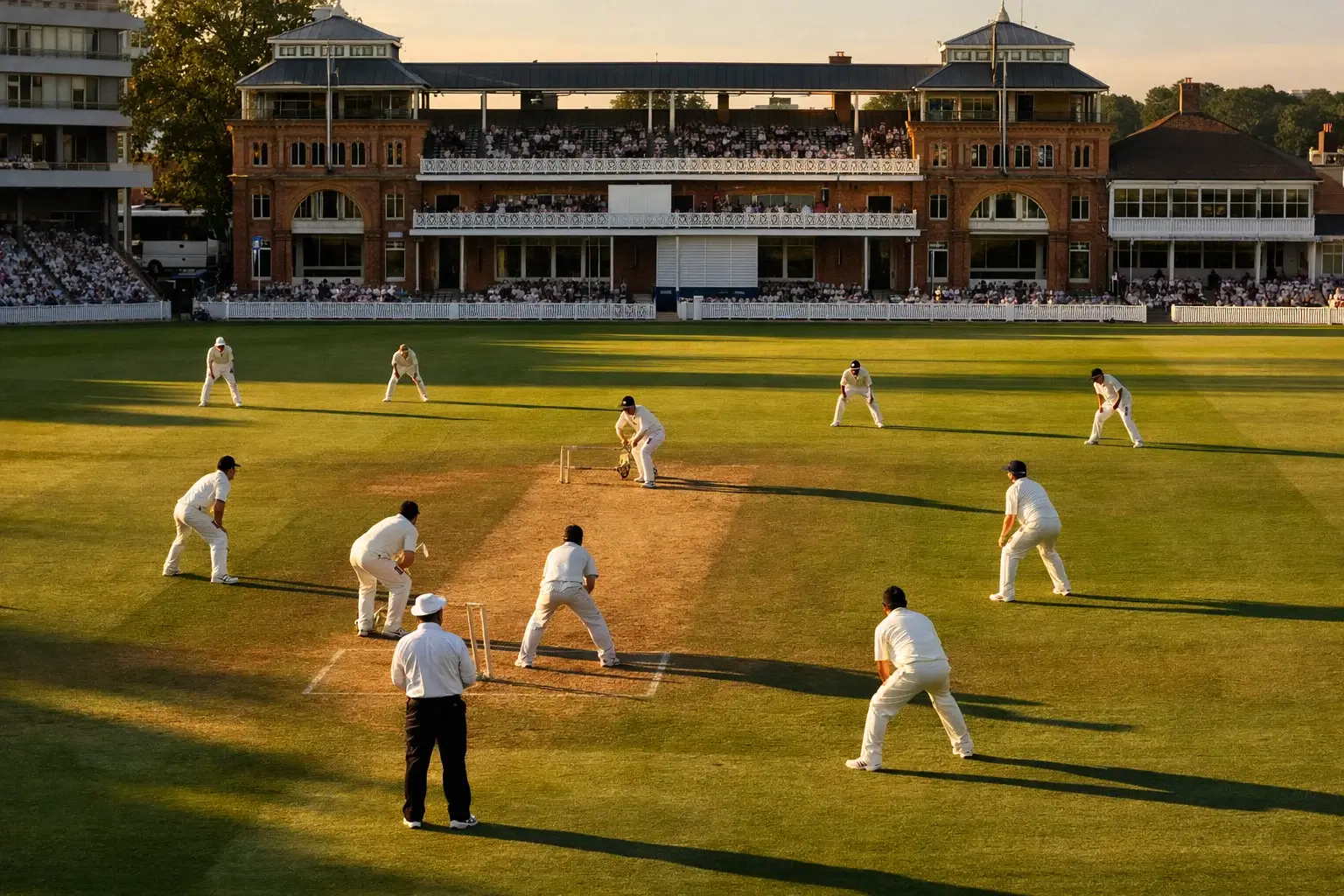
Cricket’s natural phases create distinct betting opportunities based on game segments rather than overall outcomes. These markets allow focusing on specific portions of play where you have strong views without needing to predict the entire match.
PowerPlay totals in limited-overs cricket cover the first six overs when fielding restrictions force bowlers to attack. Teams approach PowerPlays with varying aggression levels, some aiming to exploit field restrictions maximally while others prioritize wicket preservation. When you understand team tendencies and can assess early pitch behavior, PowerPlay totals offer value on either side. A team facing pace-friendly conditions with a defensive mindset might stay under lines set for average PowerPlay scoring. Conversely, aggressive teams on batting paradises consistently exceed generic expectations.
Middle overs markets in T20 and ODI cricket cover the phase between PowerPlay and death, typically overs seven through fifteen in T20s. This period sees tactical battles between spinners trying to strangle scoring and batsmen managing risk while maintaining momentum. Middle over markets include scoring totals, wicket predictions, and run rate assessments. Teams with strong spin bowling often squeeze opponents through middle overs, while weak spin attacks concede freely. Recognizing these patterns before markets fully price them creates consistent opportunities.
Death overs betting focuses on the final overs of limited-overs innings where scoring rates explode and pressure intensifies. Death over specialists on both sides of the ball perform dramatically better than their overall statistics suggest, while others struggle when pressure peaks. Markets for death over runs, wickets, and specific over totals reward knowledge of which players thrive or shrink in these moments. When a team has depth in death over hitting facing tired or ordinary death bowling, over lines may understate likely scoring.
Test session markets divide day’s play into three periods for aggregate betting on runs and wickets. Morning sessions often favor bowlers when conditions are fresh, while afternoon and evening periods may shift toward batting as pitches flatten and bowlers tire. Session markets in Tests allow betting on two-hour segments rather than five-day matches, creating more frequent opportunities and faster resolution. Understanding how conditions evolve through each day helps identify value in session markets where generic lines fail to account for specific circumstances.
Prop Bets and Specials
Beyond standard markets covering core match elements, bookmakers offer proposition bets and specials that target specific occurrences or unusual outcomes. These markets add entertainment value and occasionally offer genuine betting opportunities for those with relevant knowledge.
Coin toss winner markets allow betting on which captain will win the toss. This is purely random fifty-fifty probability, and any deviation from even odds represents bookmaker margin rather than genuine edge. Some bettors enjoy toss betting for entertainment, but it offers no opportunity for skilled advantage. Markets slightly favor one side represent margin extraction rather than probability assessment, making toss betting a pure gamble with negative expected value over time.
First ball outcome markets predict what happens on the opening delivery of an innings. Options typically include dot ball, single, boundary, wicket, and sometimes specific run counts. These markets involve assessing opening bowler tendencies, facing batsman preferences, and pitch conditions for the first delivery. While largely unpredictable, bettors who study specific matchups might identify situations where odds underestimate particular outcomes. A bowler who consistently starts with short balls facing a batsman who pulls aggressively creates higher boundary probability than generic first ball expectations.
Super over markets become available if the main match concludes tied and proceeds to a tiebreaker. These markets emerge rapidly when ties appear likely and offer betting on the super over winner, runs scored, and specific outcomes within the high-pressure six-ball shootout. Super over betting rewards understanding of which players teams select for these moments and how they perform under extreme pressure. Some players thrive in super overs while others consistently underperform their normal standards when stakes peak.
Exotic in-play props vary by bookmaker and match importance, potentially including wagers on specific occurrences like hitting the stumps, DRS reviews, milestone achievements, and unusual dismissals. These markets appear sporadically and offer entertainment-focused betting rather than systematic profit opportunities. Sharp bettors generally ignore exotics in favor of standard markets with clearer edges, but recreational players often enjoy the variety these propositions add to their live betting experience.
Selecting Your Markets
The abundance of live cricket betting markets creates a paradox: more options should mean more opportunities, yet spreading attention too thin prevents developing the expertise needed for consistent profitability. Successful live bettors typically specialize in a handful of markets where their knowledge creates genuine edge, rather than dabbling across every available option.
Consider your cricket knowledge when selecting focus markets. If you understand bowling variations and dismissal patterns deeply, wicket-based markets align with your expertise. If you track batting statistics obsessively and understand scoring patterns, run-based markets offer natural fit. Match result markets suit those with strategic understanding of how matches develop. Player performance markets reward those who follow individual cricketers closely. Aligning market selection with existing knowledge accelerates the development of profitable approaches.
Risk tolerance should influence market selection as well. Match result markets offer longer time horizons and more stable pricing, suiting patient bettors who prefer fewer, larger decisions. Ball-by-ball and over-by-over markets involve constant action and rapid decision-making, appealing to those who enjoy intensity but requiring psychological resilience against frequent losing sequences. Session and phase markets split the difference, offering focused betting windows without either extreme. Understanding your own temperament prevents pursuing markets that create discomfort regardless of their theoretical profitability.
Liquidity constraints matter for serious bettors aiming to bet meaningful amounts. Major markets like match winner maintain excellent liquidity throughout, while niche propositions might offer limited depth that constrains stake sizes. If you intend to bet seriously, prioritize liquid markets where your stakes can actually be placed at displayed prices. If entertainment drives your live betting, market liquidity matters less than finding propositions that engage your interest.
The cricket betting landscape will continue expanding as technology enables faster odds calculation and broader market coverage. New market types emerge regularly, and formats evolve to create fresh betting opportunities. The principles underlying successful market selection remain constant: develop expertise where you can, match markets to your temperament and knowledge, and maintain the discipline to ignore markets beyond your competence regardless of how tempting they appear. Mastering even a few markets deeply produces better long-term results than superficially engaging with the entire available range.
In-play cricket betting markets at live cricket betting.
